
Hikari TV Recording: 5 Options for TV, Apps, and PC
Table of Contents
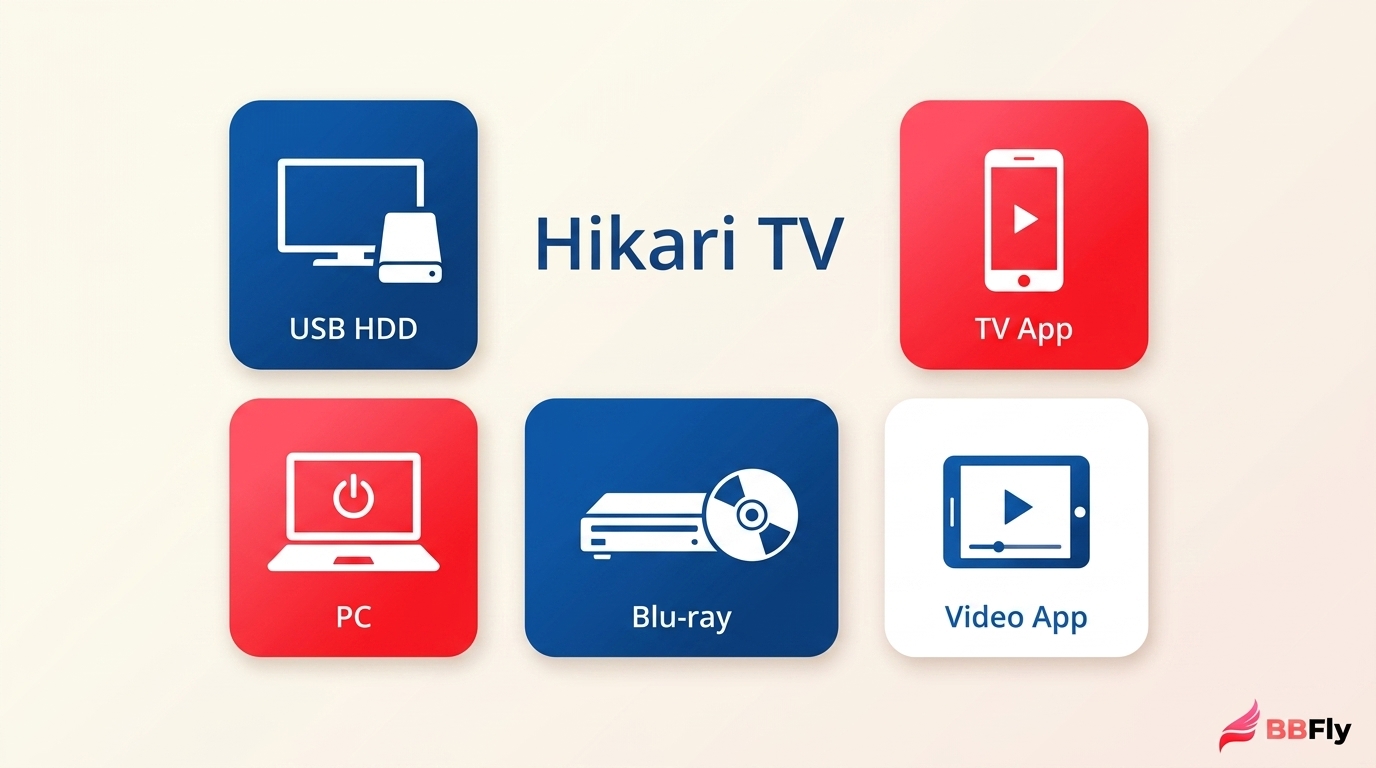
Hikari TV recording is not one universal feature. A Hikari TV USB HDD stores broadcasts for tuner-based playback, while a Hikari TV recording app may reserve a program, play an existing recording, or download an eligible VOD title. Those results are not automatically portable computer files.
I have seen this confusion since the DVR era: “recorded” sounds like “exported,” but the storage rules decide what you can actually do next. The practical route is to choose the result you need first, then follow the matching official workflow or a carefully qualified desktop alternative.
What Hikari TV Recording Actually Means
Hikari TV recording can mean five different actions, and each produces a different kind of offline access. The key distinction is whether the result stays inside a tuner or app, can be dubbed through supported hardware, or becomes a portable offline video.
Recording, Reservation, Playback, Download, and Dubbing
- Recording: a supported tuner writes a broadcast to a compatible USB HDD.
- Hikari TV remote reservation: an app or guide schedules the tuner to record later; the phone does not become the recording device.
- Hikari TV recorded playback: a supported app plays a program already stored through the official recording setup.
- Download: the Hikari TV Video app may save an eligible VOD title for controlled offline viewing inside the app.
- Hikari TV dubbing: supported tuner, network, PC TV Plus, or Blu-ray workflows copy eligible recordings under the limits of that official path.
My working rule is simple: if you cannot name where the copy will live and which device will play it, you have not chosen a method yet.
Choose the Right Hikari TV Method
The safest default for ordinary Hikari TV recording is official USB HDD recording on supported hardware. App functions are better for remote control and mobile viewing, while dubbing or a qualified desktop path serves narrower portability goals.
Method Comparison by Goal and Device
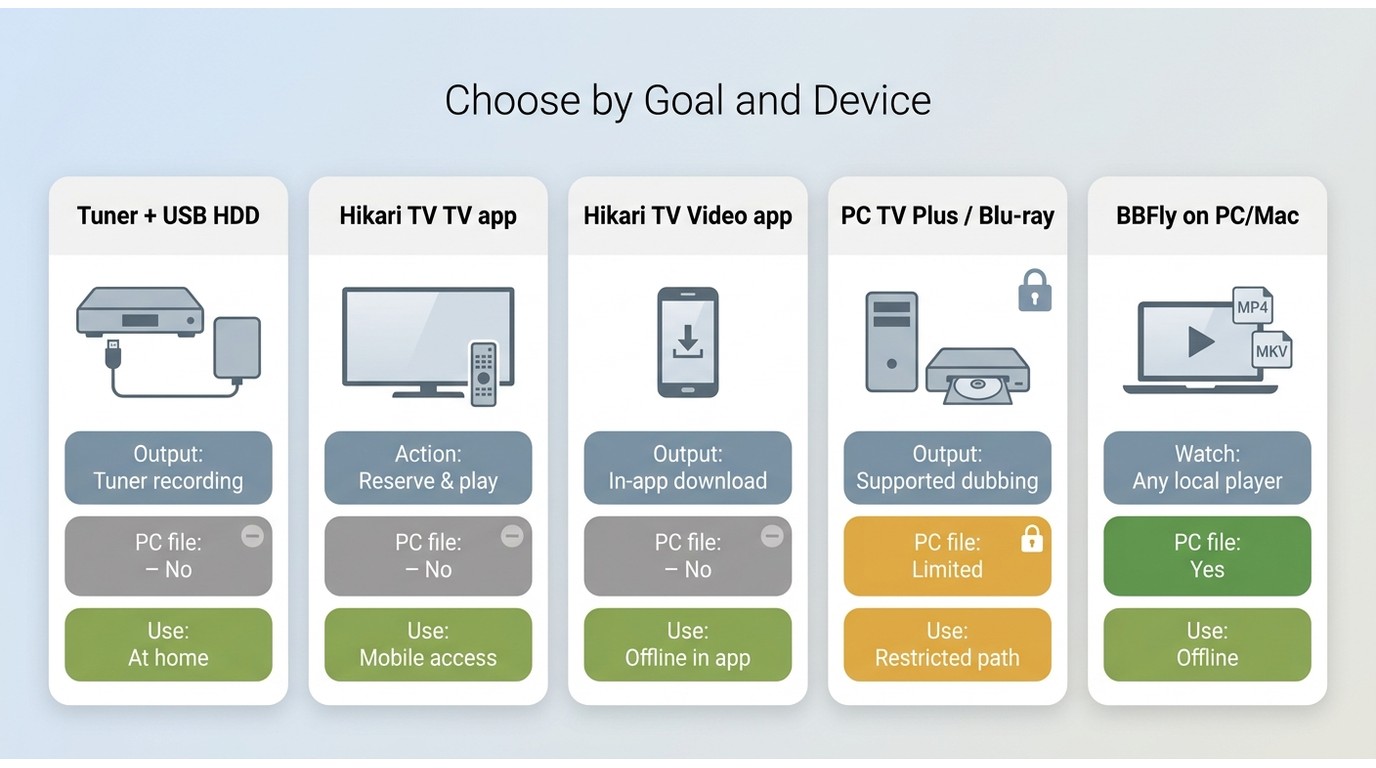
| Option | Method | Primary purpose | Required hardware or app | What the user gets | Portable computer file | Main limitation | Best fit | Not ideal for |
|---|---|---|---|---|---|---|---|---|
| Official USB HDD recording | Tuner-based recording | Save broadcasts to watch later | Supported Hikari TV tuner and compatible USB HDD | A recording managed by the tuner | No, not as an ordinary file | Drive formatting and device binding may apply | Routine TV recording | Moving recordings freely between devices |
| Remote reservation and recorded playback | Official app control | Schedule recordings or watch supported recorded programs | Hikari TV TV app, account, compatible tuner, and network setup | A reservation or controlled playback session | No | The app depends on supported devices, account state, and tuner availability | Managing TV recordings away from the remote | Creating a file on the phone or computer |
| Mobile VOD download | Official in-app download | Watch eligible on-demand titles offline | Hikari TV Video app, eligible title, account, and storage | An offline copy inside the app | No | Not every title or recorded broadcast has a download option | Mobile offline viewing | Exporting a recording to desktop storage |
| Supported PC or Blu-ray dubbing | Official copying workflow | Dub eligible recordings through supported equipment | Compatible tuner, home network, PC TV Plus or supported Blu-ray hardware | A copy governed by the supported dubbing path | Limited; not a universal free export | Hardware, network, content, and copy conditions apply | Readers with confirmed compatible equipment | A quick setup across arbitrary devices |
| BBFly desktop local-file workflow | Qualified desktop alternative | Save authorized streaming content as a local file when supported | Windows or Mac, BBFly, an active service account, and supported playback | MP4 or MKV output for personal offline viewing | Yes, when the service and title are supported | Hikari TV-specific compatibility and resolution are not guaranteed | Readers who need a local-file workflow and meet the stated conditions | Anyone who only needs ordinary Hikari TV recording or confirmed official compatibility |
App roles and compatibility details are current as of July 2026.
If I were setting up routine recording, I would start with the official tuner and a dedicated drive. I would move to apps for convenience, and consider dubbing or desktop software only after confirming that portability is the actual goal.
Requirements and Compatibility at a Glance
- Tuner: identify the exact Hikari TV model before following connection or remote-control instructions.
- USB HDD: use a drive listed as compatible with the tuner and assume setup may erase it.
- Account and plan: reservations, playback, and VOD availability depend on an active account and eligible content.
- Apps: use the Hikari TV TV app for reservation and recorded playback functions, and the Hikari TV Video app for eligible VOD downloads.
- Home network: official PC or Blu-ray dubbing requires compatible devices to communicate correctly.
- Operating system: a recording drive may not mount on Windows or Mac; BBFly itself supports Windows and Mac.
- Region: app availability, title rights, and service access can differ by location.
The compatibility list matters more than a generic tutorial. A button sequence copied from another tuner model is how a straightforward setup turns into an evening of avoidable troubleshooting.
Set Up USB HDD Recording Safely
Hikari TV USB HDD recording is the clearest official path for saving broadcasts, but the drive should be treated as dedicated recording storage. Check compatibility before connecting it, and protect any existing files before the tuner offers to format the drive.
Check Tuner and Drive Compatibility
A USB port alone does not prove recording support. Confirm the tuner model, the supported drive type, the required connection, available recording capacity, and whether the tuner supports guide reservations, live recording, or both.
- Identify the tuner model from its settings or label.
- Match the drive to the model's official compatibility information.
- Connect the drive directly to the designated recording port when the model requires it.
- Keep enough free capacity for the programs you intend to record; recording time varies with the source and program length.
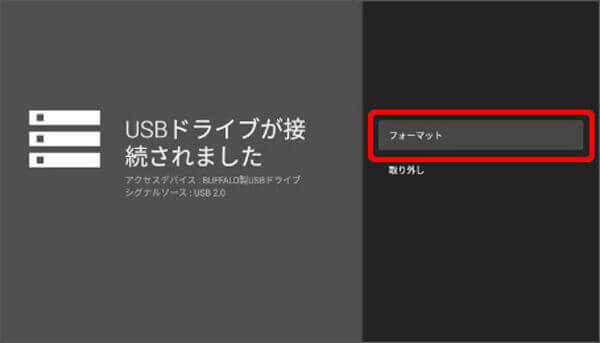
The screen above comes from an older tuner workflow, so use it as a visual reference rather than a universal sequence. I would trust the instructions for the exact tuner model over any article that treats one port or remote button as standard.
Format Without Losing Other Data
Formatting can erase everything already stored on the USB HDD. Back up needed files elsewhere first, confirm the correct drive, and expect the tuner to register or format it in a way that Windows or Mac may not read.
- Disconnect the drive from any computer only after safely ejecting it.
- Connect it to the recording port specified for the tuner model.
- Open the tuner's storage or recording settings.
- Check the drive name and capacity before approving initialization.
- Complete registration, then make a short test recording before scheduling important programs.
Do not change the file system on a computer as a shortcut. That may erase recordings or leave the drive unusable for the tuner. I dedicate a compatible drive to DVR duty rather than mix recordings with documents or backups.
Record From the Guide or Live TV
Use the program guide for future broadcasts and the live-program controls for something already playing. The exact labels and remote buttons vary by tuner, but these are separate Hikari TV recording paths.
- For a future program, open the guide, select the program, and choose the recording reservation option.
- Review the start time, end time, repeat or series setting, and destination drive.
- For a live program, open the program information or recording controls and start recording.
- Confirm that the recording indicator appears and that the drive has sufficient space.
- Check the recorded-program list after the program ends.
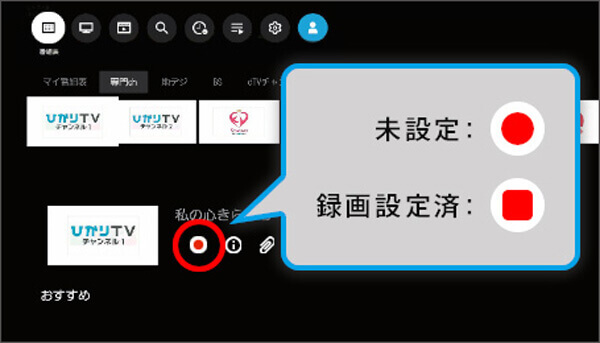
For a series, I also check the next scheduled episode after saving the rule. Guide metadata changes can break a reservation even when the first episode recorded correctly.
Use Current Hikari TV Apps
The current official apps have different jobs. The Hikari TV TV app supports functions such as Hikari TV remote reservation and Hikari TV recorded playback, while the Hikari TV Video app handles Hikari TV mobile download for eligible VOD titles.
Reserve and Play Recorded Programs
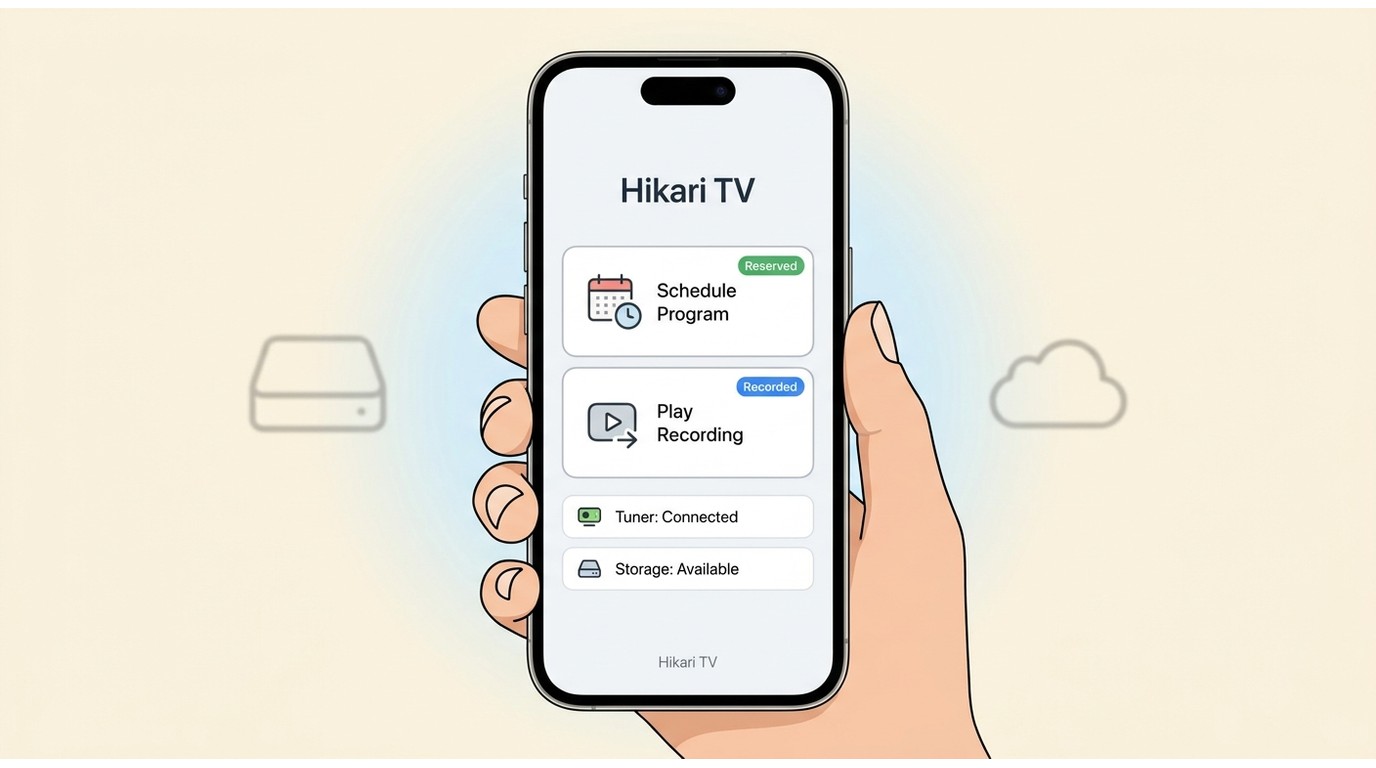
Use the Hikari TV TV app when the goal is to manage the supported tuner or play recordings through the official ecosystem. It does not turn the phone into a general-purpose file exporter.
- Sign in with the Hikari TV account used by the compatible tuner.
- Complete any required tuner pairing or home-network setup.
- Open the guide to create a reservation, or open the recorded-program area for playback.
- Check that the tuner is online and has available storage before relying on a remote reservation.
This is the path I would choose when convenience matters more than file ownership: it keeps the official recording system intact and lets the app act as a controller or player.
Download Eligible VOD Titles
Use the Hikari TV Video app when an eligible VOD title offers a download control. The resulting offline copy stays inside the app and should not be confused with a broadcast recording or a file that can be copied to a computer.
- Open the title page in the Hikari TV Video app.
- Look for the download option and review the available settings.
- Start the download on a stable connection.
- Open the app's saved or download area to play the title offline.
The following images show the retired Hikari TV Anywhere interface. They are useful for recognizing the older menu pattern, but current navigation and title eligibility belong to the current apps.
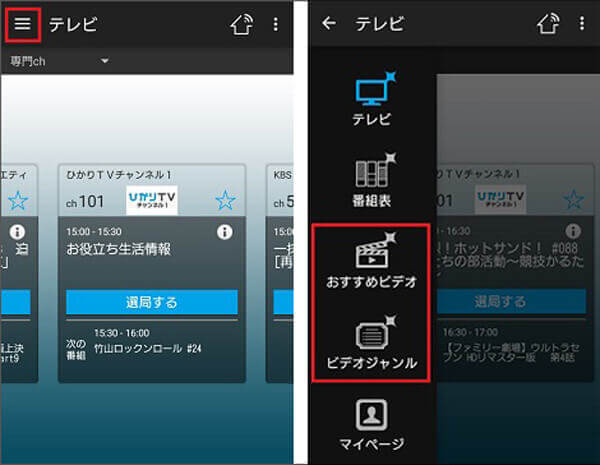
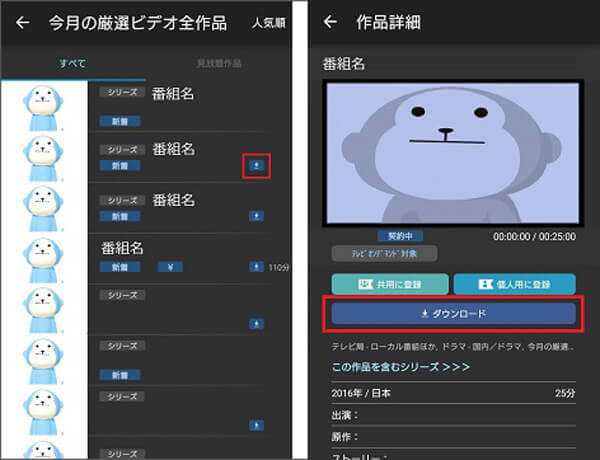
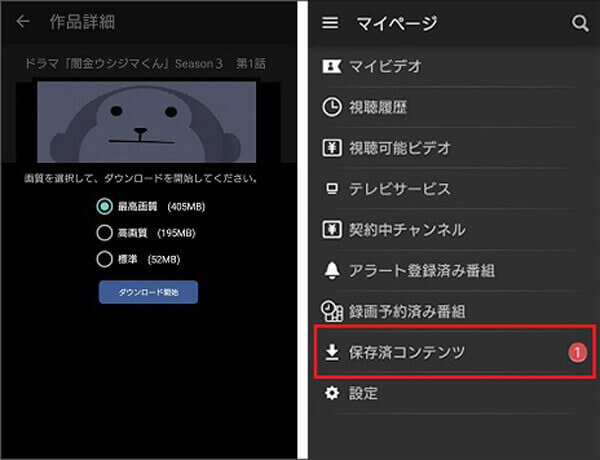
If the reader wants mobile viewing, the official VOD download is the cleaner fit. If the goal is a portable computer file, an in-app download answers the wrong question.
PC Options and BBFly Fit
Hikari TV PC recording is not a single universal export route. Start with supported PC or Blu-ray dubbing, then consider a local-file workflow only when official methods do not match the goal and the content is authorized for personal offline viewing.
Supported PC and Blu-ray Dubbing
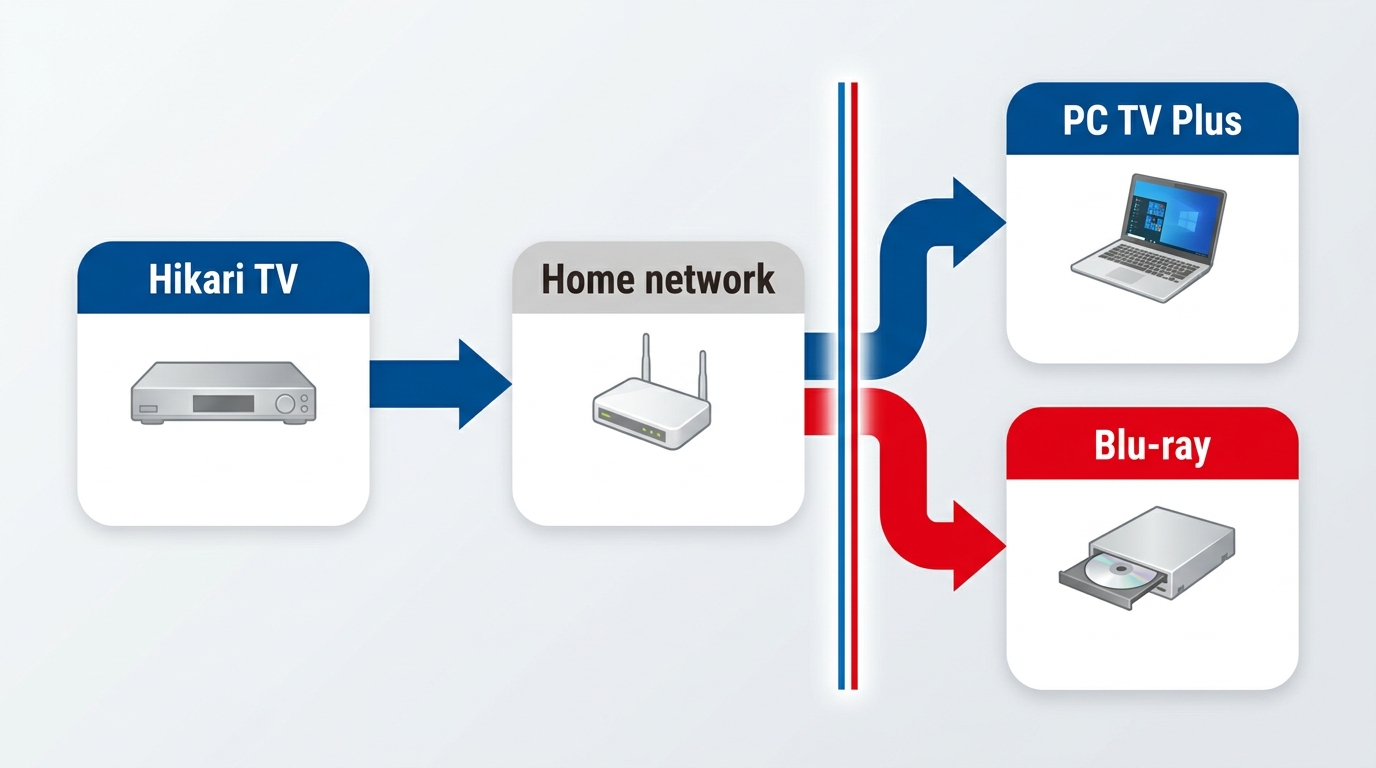
Official PC-oriented copying uses compatible tuners, network preparation, and software such as PC TV Plus, or supported Blu-ray dubbing hardware. This is a controlled Hikari TV dubbing path, not permission to copy recordings to PC as ordinary files.
- Confirm that the tuner model supports the intended dubbing or network function.
- Prepare the tuner and PC or Blu-ray device on the required home network.
- Install and configure PC TV Plus when that software is part of the supported setup.
- Review the content's copy conditions before starting the transfer.
- Test with a noncritical recording before committing to a larger library.
The extra setup is worthwhile when you already own compatible hardware and want an official path. If compatibility is uncertain, buying adapters and software around an assumption is usually wasted effort.
When a Local-File Workflow Fits
A local-file workflow fits readers who specifically need a portable offline video on Windows or Mac rather than tuner-bound or app-bound playback. For personal offline viewing of content you're authorized to access, where permitted by platform terms and applicable law, it can serve that narrower goal.
That distinction matters to me because recording and native downloading are not interchangeable. Screen-based recording can consume playback time and may lose quality or subtitle flexibility, while a supported native-download workflow obtains the available streams and packages them without re-encoding.
A portable file is useful for personal playback through a chosen local player or storage workflow. It is not a license to share, publish, sell, or screen the content publicly.
BBFly Benefits and Honest Limits
BBFly is a Windows and Mac desktop option that can save supported content as MP4 or MKV, with selectable audio tracks and subtitles. Its fit depends on service support, title availability, and authorized account access.
The BBFly product overview explains the wider desktop workflow. The software uses an integrated browser, supports batch tasks and metadata writing, and offers a 30-day trial limited to three complete titles per streaming service.
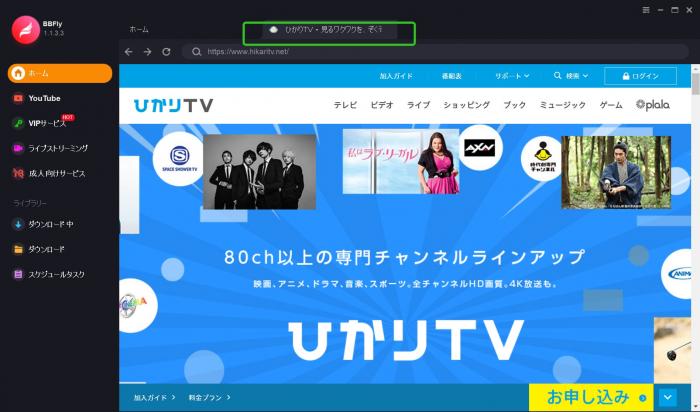
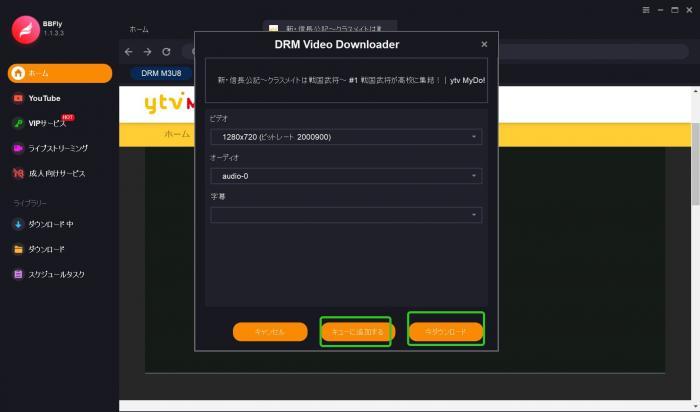
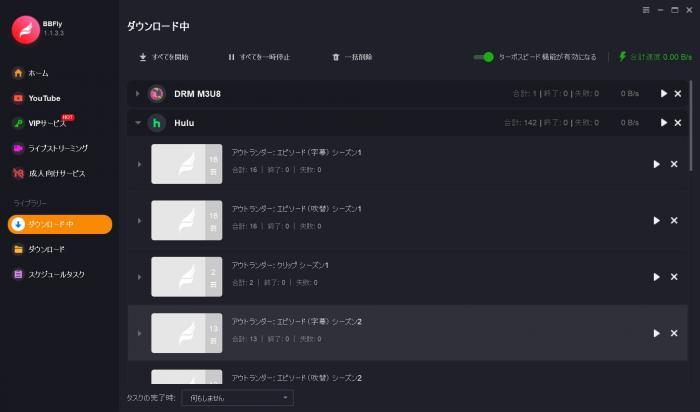
Best for: Windows or Mac users who need a local-file workflow for supported content they can lawfully access. Not ideal for: readers who only need routine Hikari TV USB HDD recording, readers with a confirmed official dubbing setup, or anyone expecting guaranteed Hikari TV-specific resolution or compatibility.
On a Windows 11 PC with an SSD, our May 2026 cold-start check opened BBFly in about three seconds. That is a useful usability detail, not evidence that a particular Hikari TV title or account will be supported.
My verdict is deliberately narrow: use BBFly when the local file is the reason for choosing a desktop path, not as a default replacement for the official Hikari TV recorder.
Troubleshoot Failed Hikari TV Recordings
A Hikari TV recording failure is usually easier to isolate when you check tuner state, network status, guide data, and storage in that order. Repeating the entire setup before checking the model's current state often hides the real cause.
Missed Reservations on KS-6100
For a KS-6100 missed recording, first check whether the tuner was inactive or in a deeper sleep state, then confirm network access, current guide data, the series rule, and available storage.
- Wake the tuner fully and confirm normal live playback.
- Check the network connection used for guide and account data.
- Open the reservation and compare it with the current program title, time, and episode metadata.
- Recreate the series reservation if the broadcaster changed the guide entry.
- Confirm that the USB HDD is recognized and has available capacity.
I check model state before touching the drive settings. A sleeping or disconnected tuner can make a healthy HDD look like the problem.
Unreadable Drives and Format Errors
If the tuner does not recognize the Hikari TV USB HDD, check the cable, designated port, power requirements, model compatibility, and registration status. If a computer cannot read the drive, that may reflect tuner formatting rather than a failed disk.
- Do not initialize the drive again until you understand whether existing recordings will be erased.
- Reconnect the drive only after shutting down or safely following the tuner's storage instructions.
- Test the cable and power supply when the drive disconnects intermittently.
- Use the tuner's diagnostics or storage screen to confirm recognition.
My priority is preserving recordings, not forcing the drive to appear in a desktop file manager. Reformatting is a last reset, not a diagnostic shortcut.
Black Screens and Unsupported Setups
Black video, audio-only output, or a failed PC capture can indicate protected playback or unsupported hardware. Switching capture apps rarely fixes a compatibility boundary; use an official recording, playback, download, or dubbing route that the service and hardware support.
- Confirm that normal playback works on the authorized device.
- Check whether the intended output path is officially supported.
- Update the tuner, app, or PC software through its normal update channel.
- Return to the method table and choose a route that matches the required result.
This is where I stop treating “record” as a generic verb. A black screen is often a sign that the chosen workflow is incompatible, not that one more screen recorder will solve it.
Understand Rights, Playback, and Portability Limits
Hikari TV recordings, app downloads, dubbed copies, and desktop files can have different playback and copying rules. A successful save does not automatically mean the content can be opened on another device or used outside personal offline viewing.
Why USB Recordings May Stay Device-Bound
USB HDD recording may use tuner-specific registration or storage formatting. The drive can therefore work on the original tuner while appearing unreadable on Windows, Mac, another TV, or a replacement tuner.
Moving the drive, changing its file system, or registering it to another device may erase recordings or make them unavailable. Treat the tuner and drive as one recording system unless the model's official dubbing path says otherwise.
The practical lesson is blunt: an external HDD is not automatically portable storage. If portability is essential, decide that before building a large tuner-bound library.
Authorized Personal Offline Viewing
Use any recording, download, dubbing, or desktop workflow only for content you are authorized to access and for personal offline viewing where the service terms and applicable law permit it.
- Do not share files or recordings with other people.
- Do not upload, resell, rebroadcast, or use the content commercially.
- Respect title, account, device, and regional restrictions.
- Choose the official path when it already meets the viewing goal.
I value file control, but it does not override content rights. The sound decision is the method that meets the viewing need with the least unsupported handling.
Pick the Best Method for Your Goal
Choose by outcome: official USB HDD recording for routine TV programs, the appropriate official app for reservations or mobile viewing, supported dubbing for compatible hardware, and BBFly only as a qualified desktop alternative for authorized content.
- Need to record a broadcast on TV: use a supported tuner and dedicated USB HDD.
- Need to schedule remotely or play an existing recording: use the Hikari TV TV app.
- Need an eligible VOD title offline on mobile: use the Hikari TV Video app.
- Need an official PC or disc-oriented copy: check supported PC TV Plus or Blu-ray dubbing.
- Need a local file on Windows or Mac: consider BBFly only when the service is supported and the use remains authorized and personal.
BBFly is not the right choice for someone who only wants the simplest confirmed Hikari TV recorder. Start official, identify the missing capability, and change methods only when that gap is real. The BBFly editorial blog covers other platform-specific workflows, but the same compatibility and rights checks still apply.
FAQ
Can I open a Hikari TV recording drive on Windows or Mac?
Often not. The tuner may register or format the drive for its own recording system, so a computer may not recognize it and the recordings should not be treated as ordinary portable files.
Why did my KS-6100 miss a scheduled recording?
Check whether the tuner was inactive or deeply asleep, then confirm its network connection, current guide metadata, series-reservation details, USB HDD recognition, and available storage.
Why does a title play in the app but have no download button?
Recorded-program playback and VOD downloading are different functions. The Hikari TV TV app may play a supported recording, while the Hikari TV Video app downloads only eligible VOD titles under the account and title conditions.
Can I reuse the USB drive with another TV or tuner?
Possibly, but compatibility and device registration can prevent playback, and setting up the drive on another device may erase existing recordings. Preserve anything important through a supported path before changing tuners.